
Camp Evening Games: 7 Games for After Dinner, When It's Already Dark

At camp, the hardest part of the day is often not the morning programme but the hour or so between dinner and lights out. The kids are tired but not sleepy. They don't want to run any more, or there's nowhere to run because it's dark. If you don't give them something to do, they'll find something themselves, and it's rarely what you had in mind.
That's why camp evening games are different from daytime ones. They work sitting in a circle or in a small space, they don't need daylight, and they slowly bring the group down from the day. A good evening game has a little secret or a little tension in it: who is the murderer, what is the hidden rule, how does the story end. That keeps people paying attention even while they yawn.
Below are seven games, roughly in the order they work in an evening: start with the livelier ones and move towards the calmer ones. Two or three are plenty for one night, and the rest will do for the other nights of the week.
1. Wink Murder
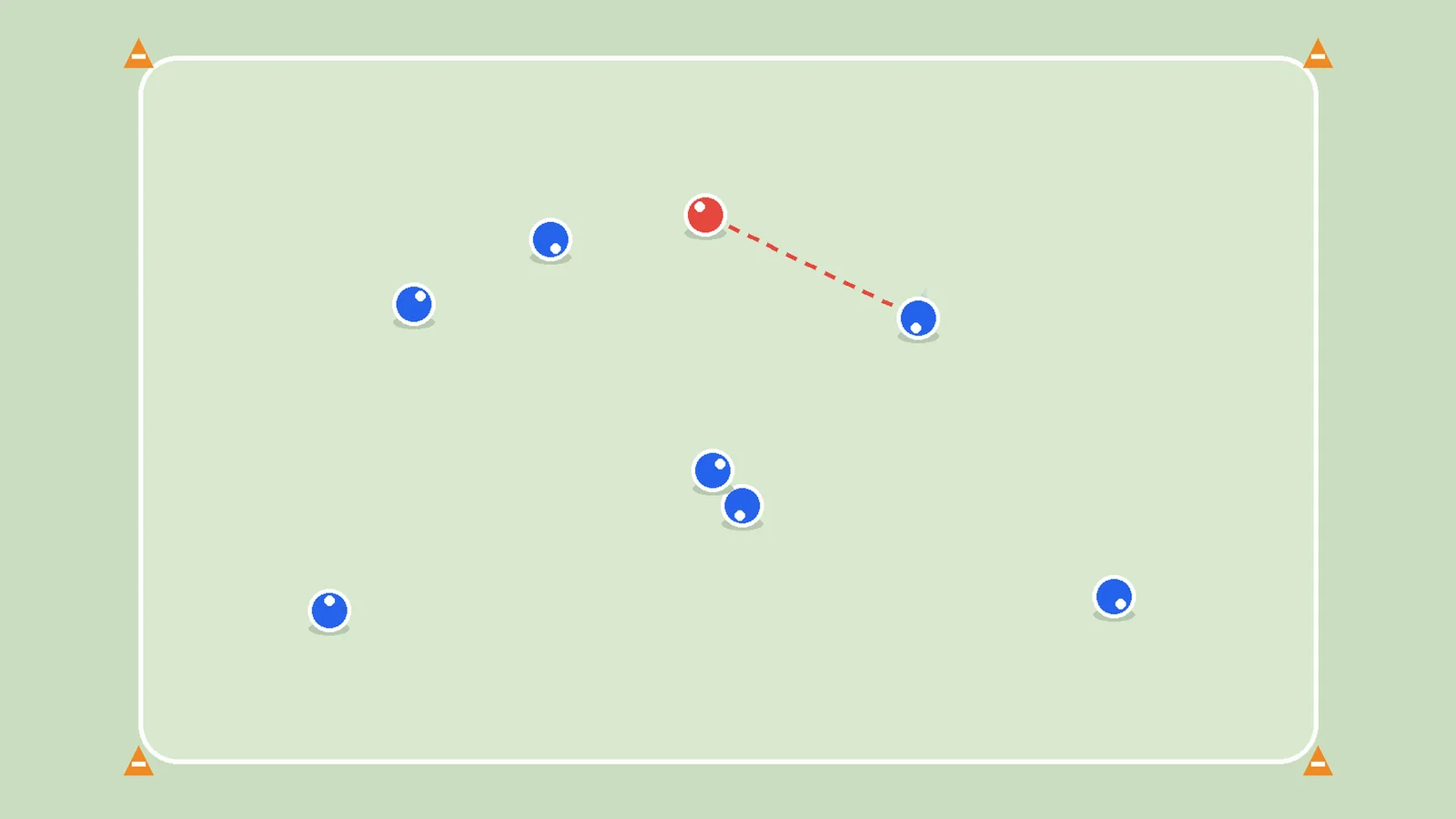 Wink Murder
The classic camp evening game, and for good reason. It works walking around the common room or sitting around the fire, as long as people can see a wink. After dark, make sure there's enough light on faces; one lamp or the fire is enough. Pick the murderer with a tap on the shoulder while everyone has their eyes closed, so nobody peeks at a card. The best moments are when someone confidently accuses the wrong person.
How to play
No equipment needed!
- The game leader secretly picks one murderer (or more with a larger group), e.g. with a tap on the shoulder while everyone sits with their eyes closed, or by drawing cards.
- The players walk around freely in the area.
- The murderer “kills” by winking at someone.
- A player who has been winked at waits 2 seconds, then announces that they're dead (dramatically, if they like) and is out.
- If someone thinks they know who the murderer is, they can say so and make a guess; if they're right, they win, and if they're wrong, they're out.
- The murderer wins by taking out everyone without being caught.
2. Empire
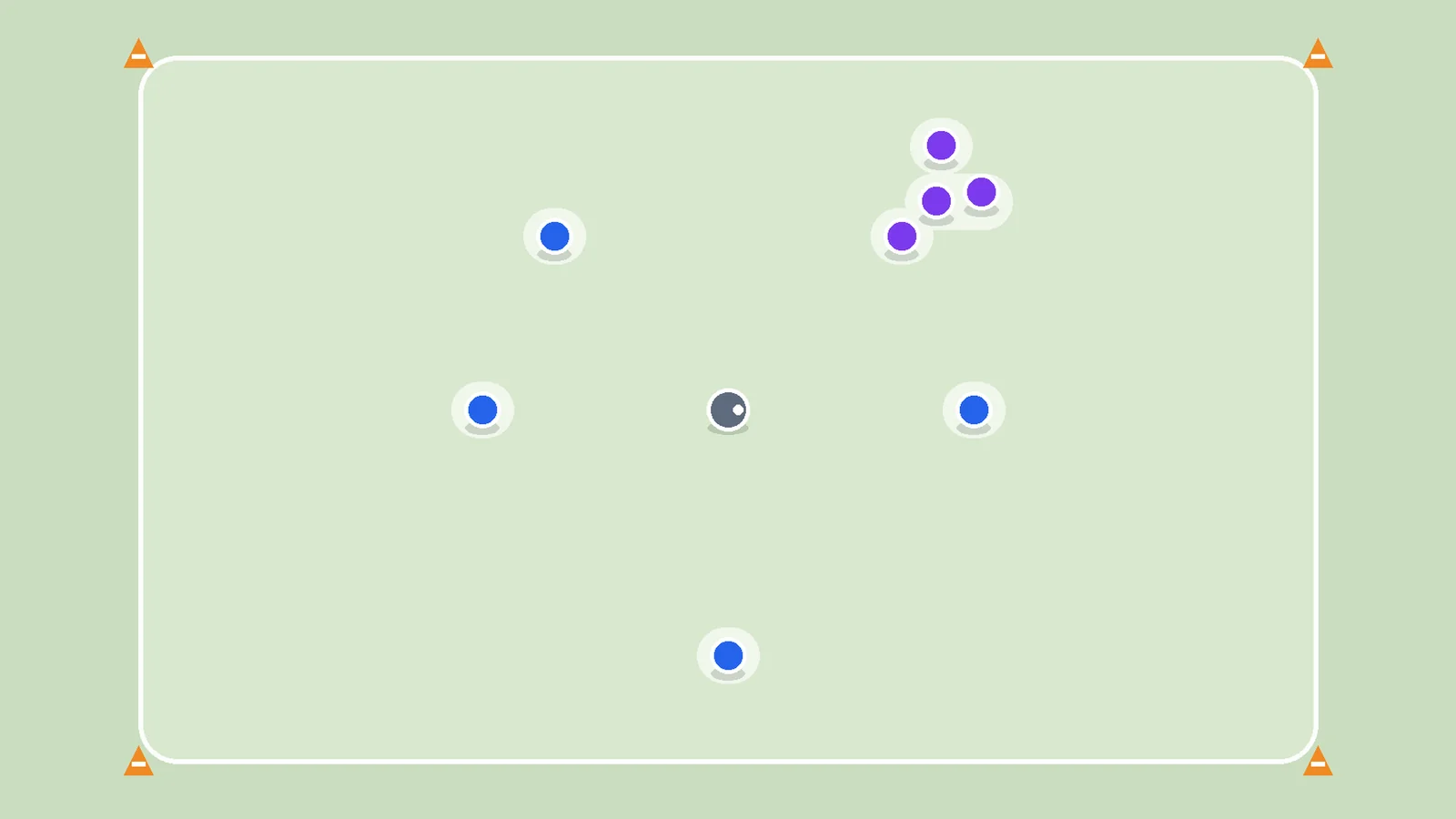 Empire
You need paper and pens for this one, but in return it keeps the group busy for twenty or thirty minutes and nobody has to stand up. The trick is that after the reading, everyone tries to remember the names while watching who reacts when their own is read out. Kids love it when, by the end, one or two people have a long line sitting behind them. With younger kids, tell them up front to write cartoon characters or people everyone knows.
How to play
Materials: A small piece of paper for each player, A pen for each player
- The game leader gives each player a piece of paper and a pen.
- Each player writes a character, person or celebrity on their paper.
- The game leader collects the papers, shuffles them, then reads them out slowly, twice.
- Players sit in a circle.
- The game leader chooses who starts.
- The player's goal is to guess which character another player wrote down.
- They can make one guess at a time. If they guess right, that person joins their “Empire” and sits behind them.
- If they guess right, they can guess again.
- If they guess wrong, the next player takes a turn.
- If someone correctly guesses a player who already has people behind them, that whole group moves to sit behind the guesser.
- The game ends when every player is part of one person's “Empire”.
3. Psychiatrist
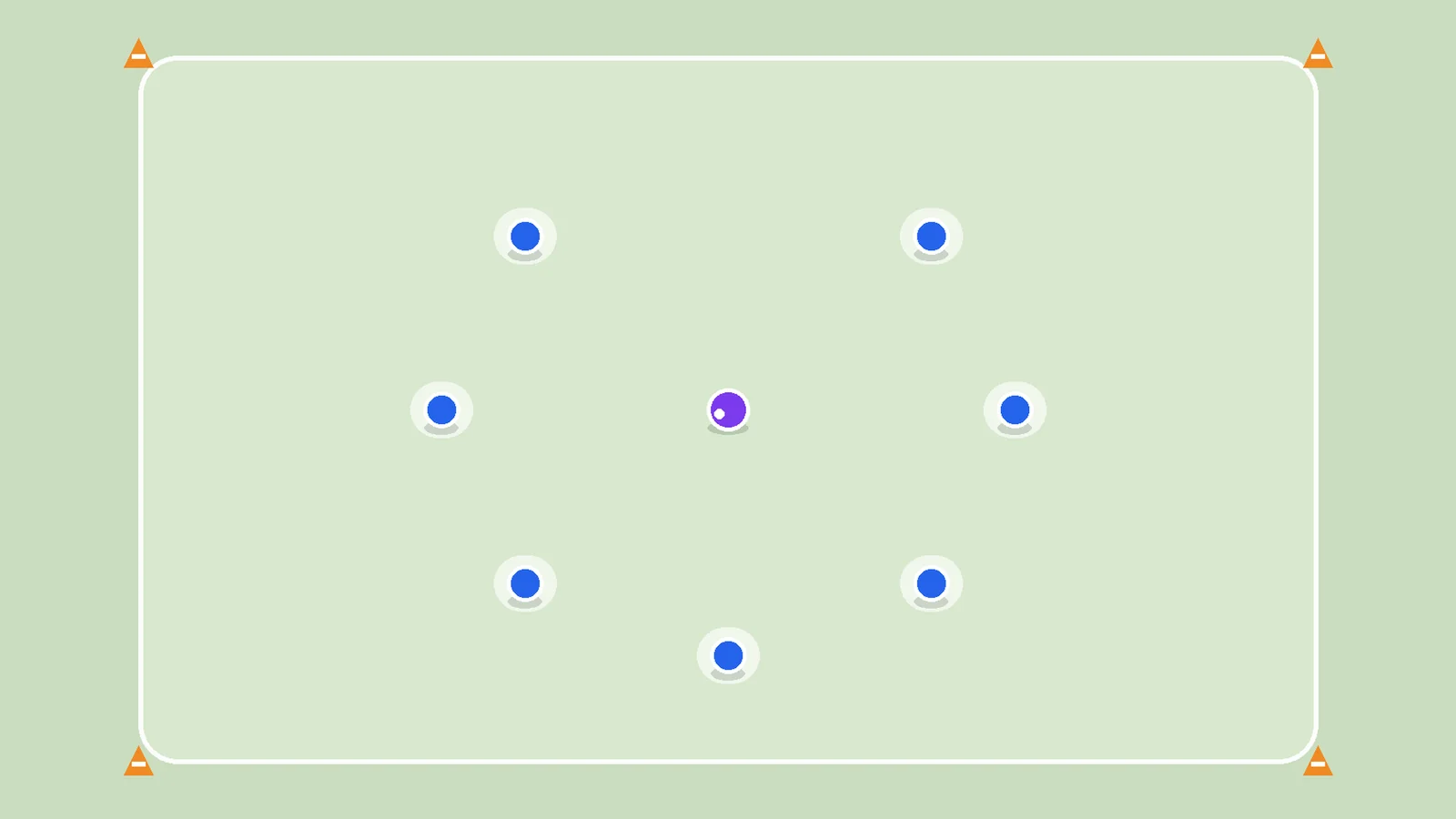 Psychiatrist
A sit-in-a-circle game that works especially well in the evening, because there's lots to laugh at without anyone running around. Swapping seats on "Psychiatrist!" shakes the circle up properly, so push a few chairs aside in the common room. Start with a simple rule, like the person opposite always answers. Once the group knows the game, you can use harder rules, but make sure the psychiatrist isn't left standing there clueless for ten minutes.
How to play
No equipment needed!
- The players sit in a circle; one player (the psychiatrist) leaves the room.
- Together, the group comes up with a “problem” – a hidden rule that everyone follows when answering (examples below).
- The psychiatrist comes back and can ask anyone any questions; the players answer according to the hidden rule.
- If someone breaks the rule, whoever notices shouts “Psychiatrist!”, and everyone gets up and swaps seats.
- When the psychiatrist works out the problem, a new player goes out.
Example hidden rules:
- When someone is asked a question, the person sitting opposite them answers.
- Everyone answers as if they were the person sitting to their right.
- Everyone holds their nose while answering.
- Every answer has to sneak in the word “my mum”.
- Every question has to be answered with yes (or yes is answered with no, and no with yes).
Example questions: “Are you wearing socks?”, “What colour is your hair?”, “Are you a boy or a girl?”
4. Dolphin Trainer
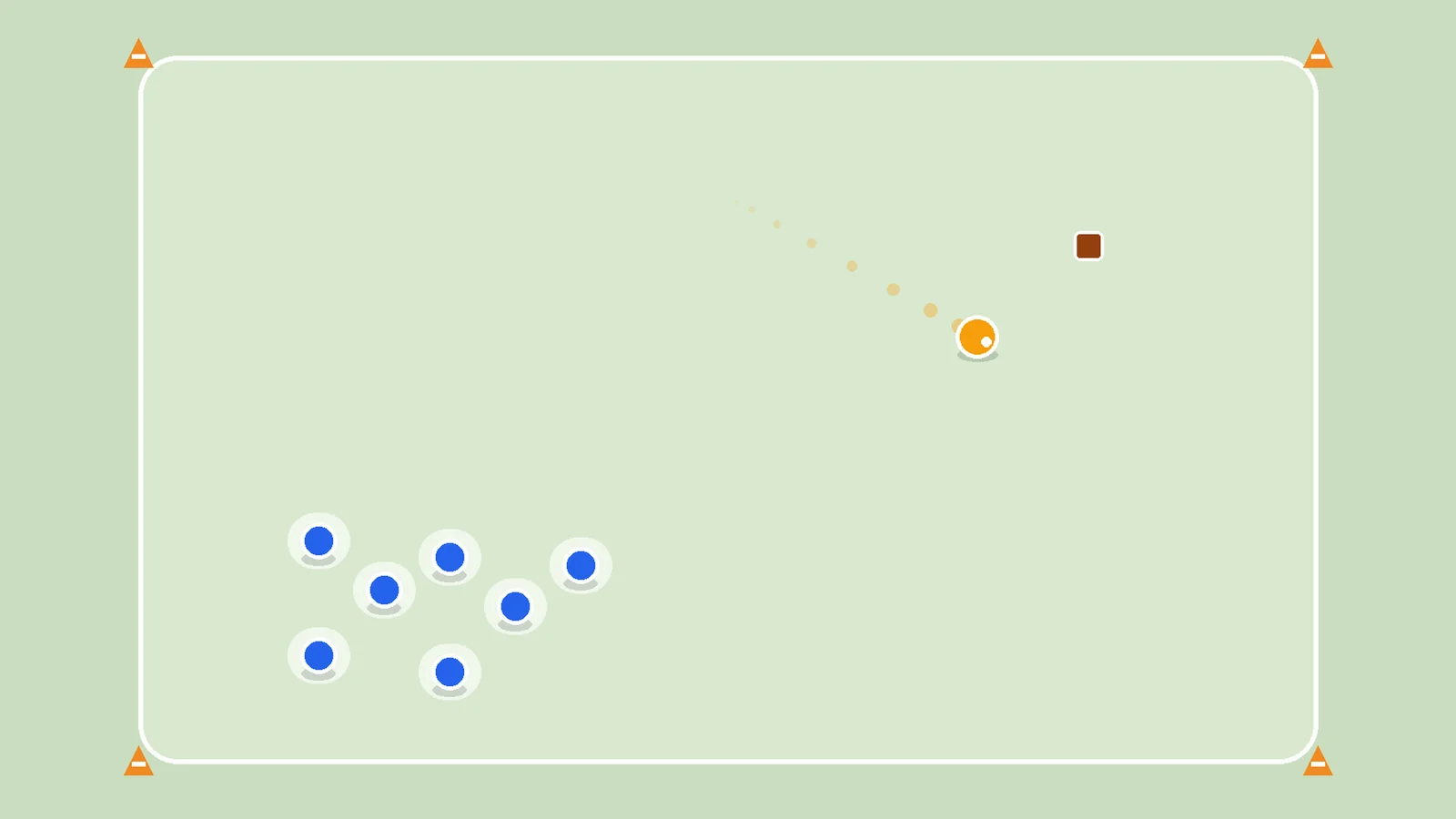 Dolphin Trainer
This game is all about sounds, so it works best in the evening in the common room, where the group can hum, clap or go quiet together. The player who goes out should really go far enough not to hear, say to the end of the corridor with another leader. Start with a simple task, like sitting on a particular chair. Later you can use tasks with several steps, and that's when the group really gets into its "warmer, colder" noises.
How to play
No equipment needed!
- The goal of the game is for one player to perform a sequence of actions that the other players have made up.
- One player leaves the room, and the others decide on something the player outside will have to do.
For example, they might have to stand on a chair, open the window, and so on.
- The player comes back in and tries out different things. The others use sounds to signal whether they're getting closer.
5. What We Have in Common Charades
 What We Have in Common Charades
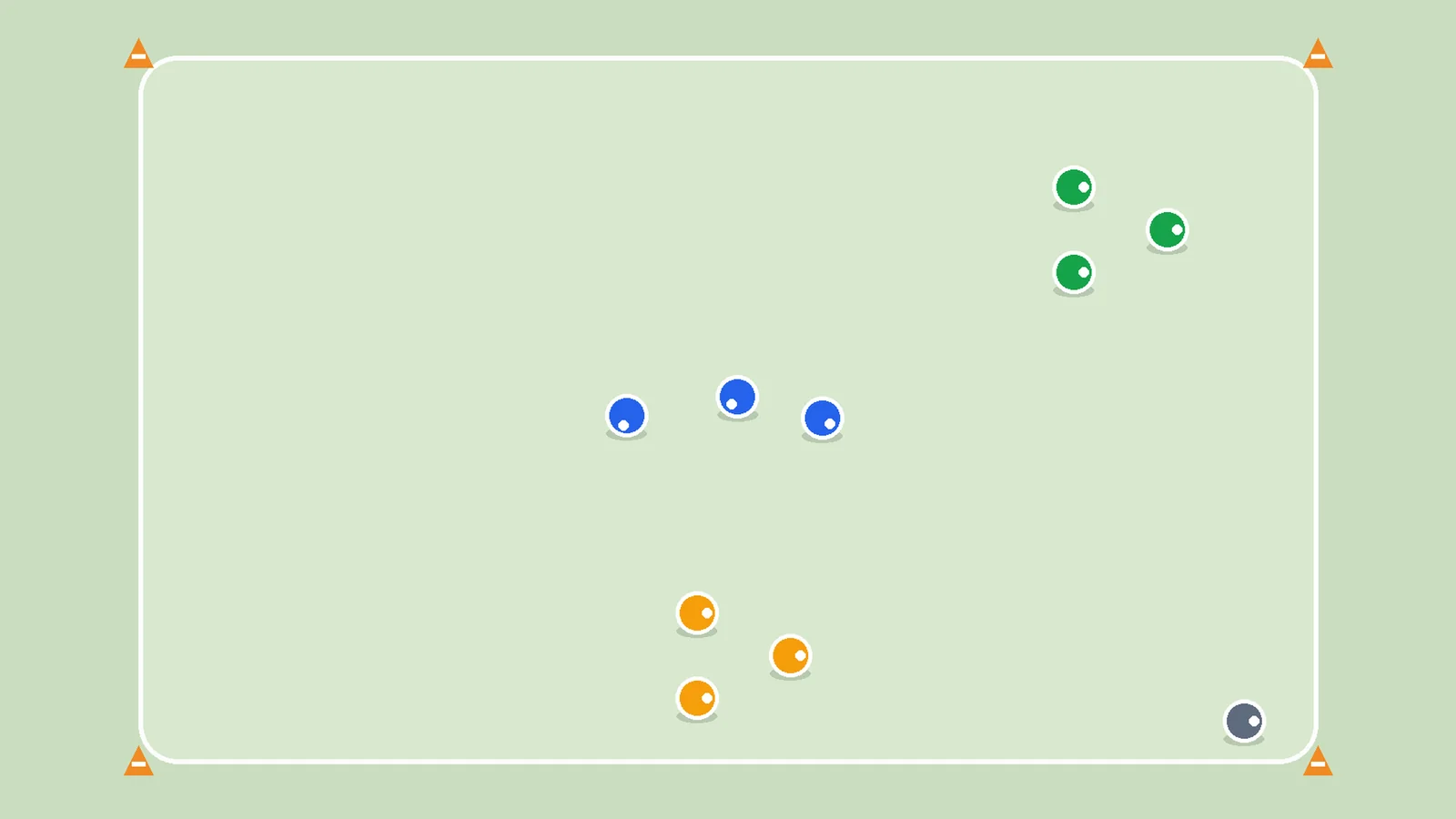
A good one for the middle of the week, when the kids know each other but there are still surprises. The teams go off for five or ten minutes, and in that time they often talk more than they have all day. In the evening the acting is funnier too, because everyone is a bit braver. Mix the teams so best friends don't end up together, or "what do we have in common?" gets too easy.
How to play
No equipment needed!
- The game leader splits the players into teams of 3–4.
- The teams have 5–10 minutes to go off to one side and find 3–4 things that are true for all of them (e.g. everyone has a sibling, everyone loves pizza).
- Then each team takes a turn acting out their shared things for the others; they can act individually or together.
- The other teams try to guess what is being acted out.
6. What's Yours Like?
 What's Yours Like?
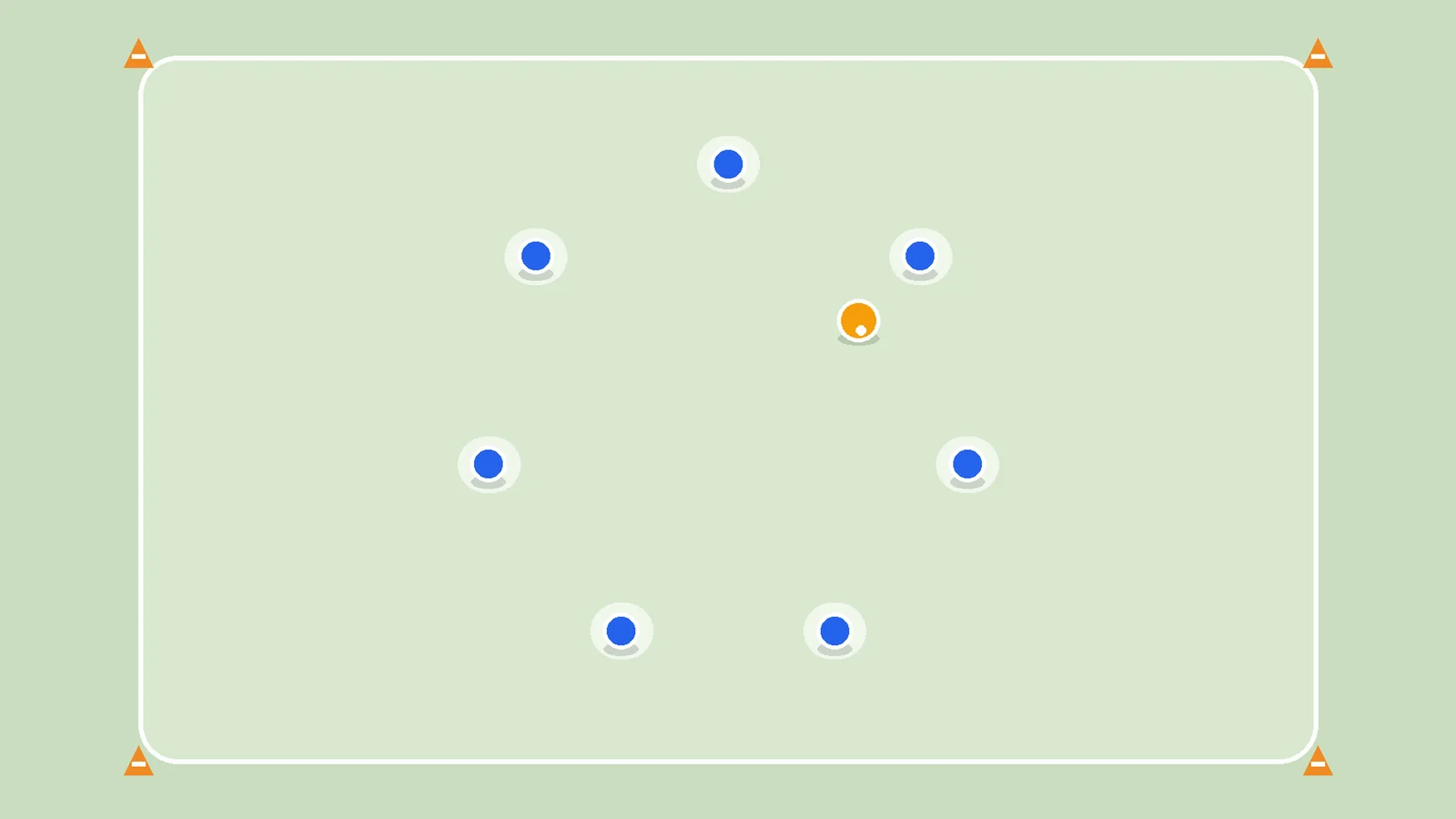
A calmer detective game for the end of the day. Everyone stays seated except the questioner, who walks around, and the answers tell you a lot about the kids: who has what pet, what their favourite T-shirt looks like. Start with something easy, like hair or shoes, where the answers quickly add up. If the questioner still hasn't got it after two rounds, give a small hint, so the evening doesn't end in tired frustration.
How to play
No equipment needed!
- The game leader sets up the play area, then one player leaves the room while the others sit in a circle.
- The players who stayed choose something that everyone has or that is part of everyone. For example: hair, a pet, a school bag.
- The questioner comes back, goes around the circle and asks each person: “What's yours like?”
- The players in the circle answer to match their own. For example, if the chosen thing is “hair”, the answers could be “brown”, “straight”, “it's on top”, and so on.
- Once the questioner has asked everyone, they can guess what the shared thing is. If they don't know yet, they can go around again until they work it out.
7. You Write the Story
 You Write the Story
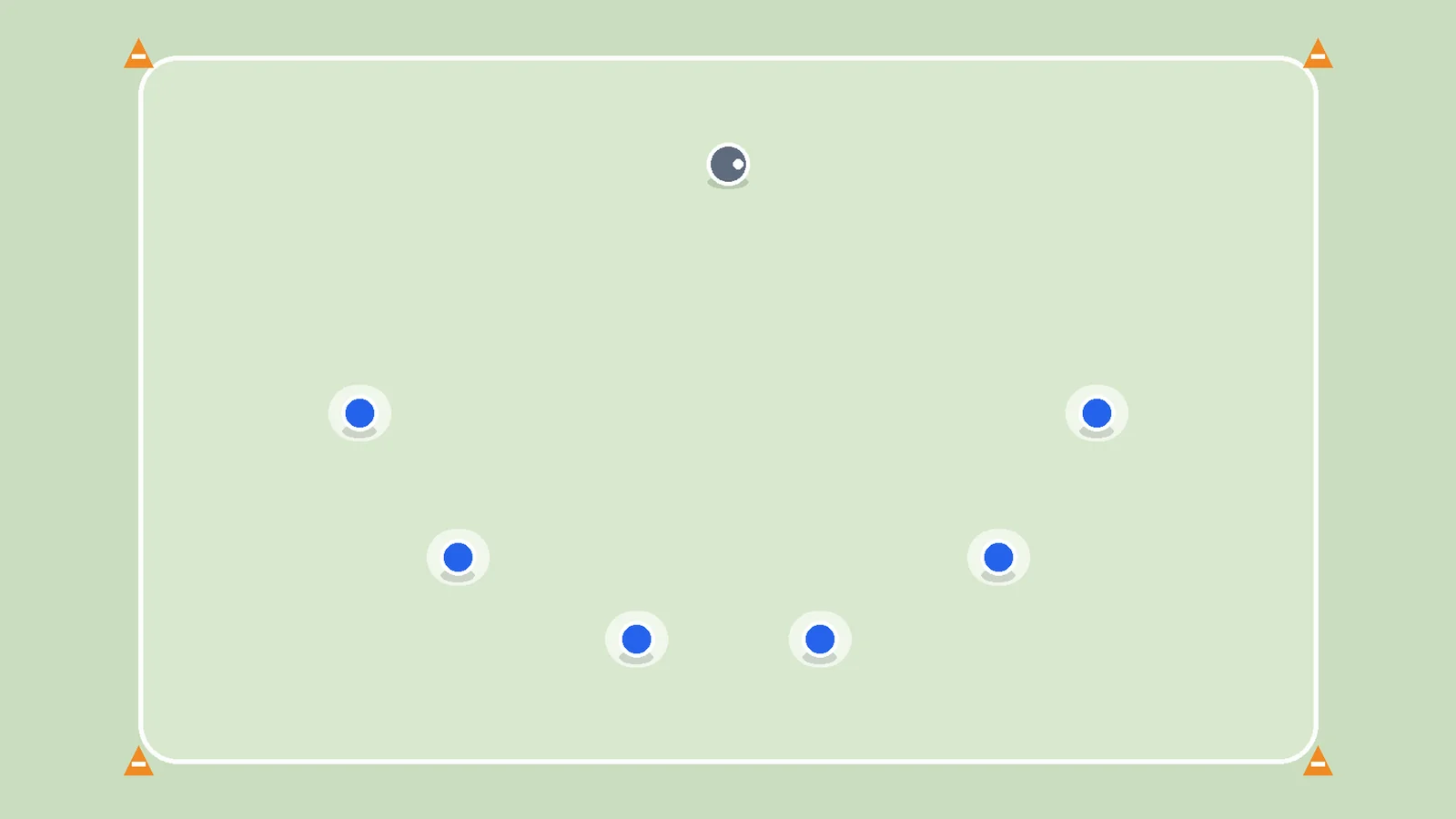
Save this one for the very end, right before lights out. You tell the story and the group only decides, so nobody has to talk much, and your voice slowly settles the circle. It's best by the fire or in half-light. Leave the ending open and say you'll carry on tomorrow night. That way the next evening already has a start, and the kids spend the day arguing about what will happen to the hero.
How to play
No equipment needed!
- The game leader (the storyteller) starts a story.
- At key moments in the story, they stop and offer two options (e.g. “Does the hero go into the cave, or carry on through the forest?”).
- The players discuss which is the better choice and try to persuade each other.
- The group votes, and the storyteller continues the story with the winning option.
What helps in the evenings
- Keep light on faces. Wink and charades games need people to see each other. A lamp or the fire is enough; total darkness isn't.
- Go from lively to calm. Early in the evening they can handle some noise; at the end you need a game that settles them.
- Don't drag it out. If someone falls asleep in the circle, that's not a failure. It's a sign to wrap up.
- Leave something for tomorrow. An unfinished story or a "rematch tomorrow" holds the week together better than one evening that runs too long.