
ESL Games for the Classroom: 8 Language Games That Get Students Talking

The hardest part of a language class isn't teaching the words, it's getting students to say them. Nobody minds making mistakes on a worksheet, but out loud, in front of everyone, it's a different story. Games help a lot here. When a round is quick and everyone is focused on winning, there's no time to worry about pronunciation.
The eight games below are classroom favourites for ESL, but they work in any language class. The first ones are more active and built on vocabulary, and the last ones have students speaking in full sentences. Hardly any of them need preparation, a word list at most.
1. Bring Me a…
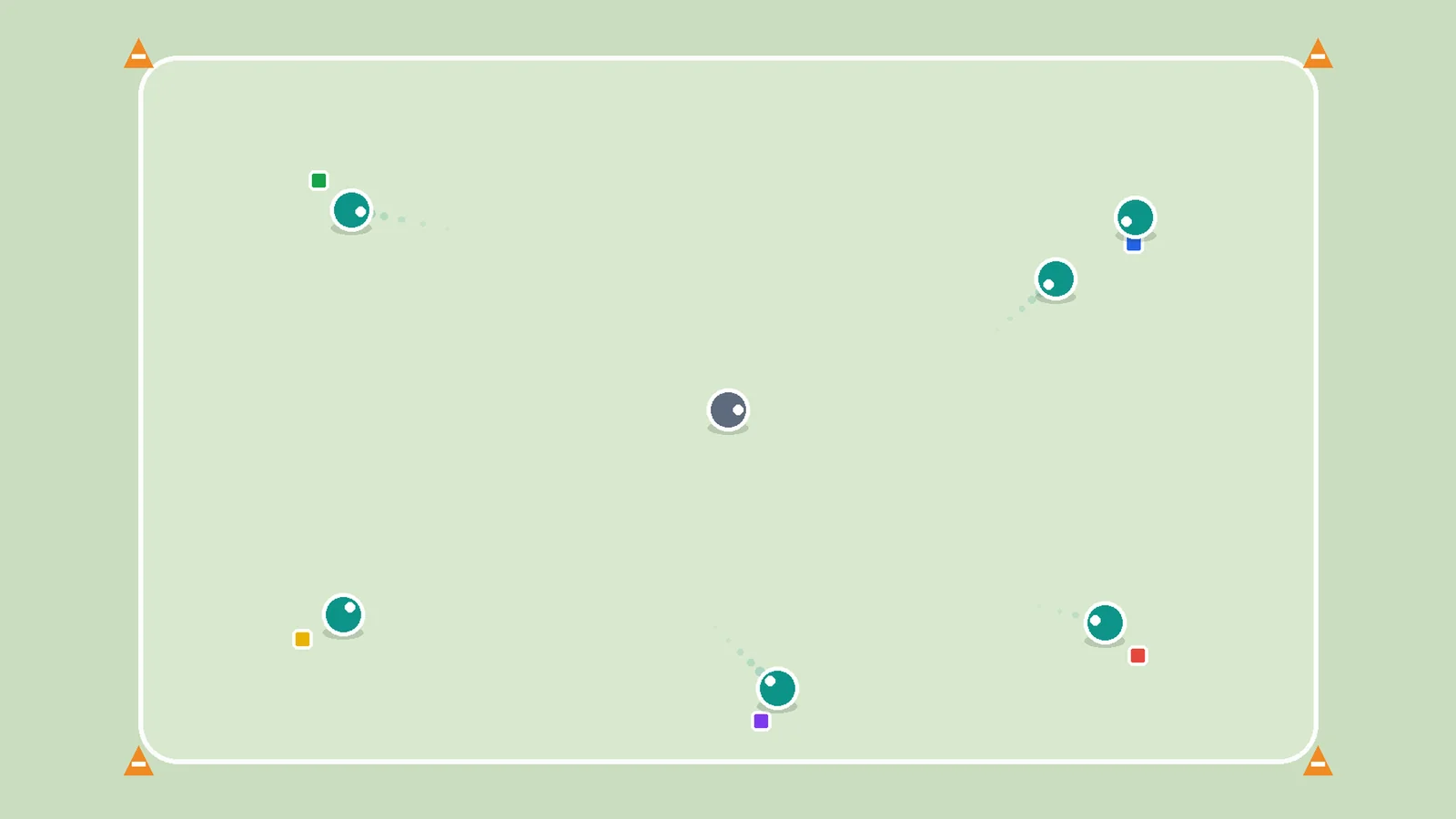 Bring Me a…
Maybe the best one for beginners, because students don't even have to say the word, just understand it, and the object they bring shows whether they got it right. "Bring me a blue pencil!" works for colours, classroom objects and clothes. With a big class, play in teams, or the room turns into a pile-up within seconds.
How to play
No equipment needed!
- The players gather around the game leader (individually or in teams).
- The game leader calls out an object (e.g. “Bring me a blue sock!”, “Bring me a spoon!”).
- The players set off and try to be the first to bring the requested object.
- Whoever arrives first with the right object gets a point.
- The game leader can ask for stranger or harder objects as the game goes on; the player with the most points at the end wins.
2. Body Part Pairs
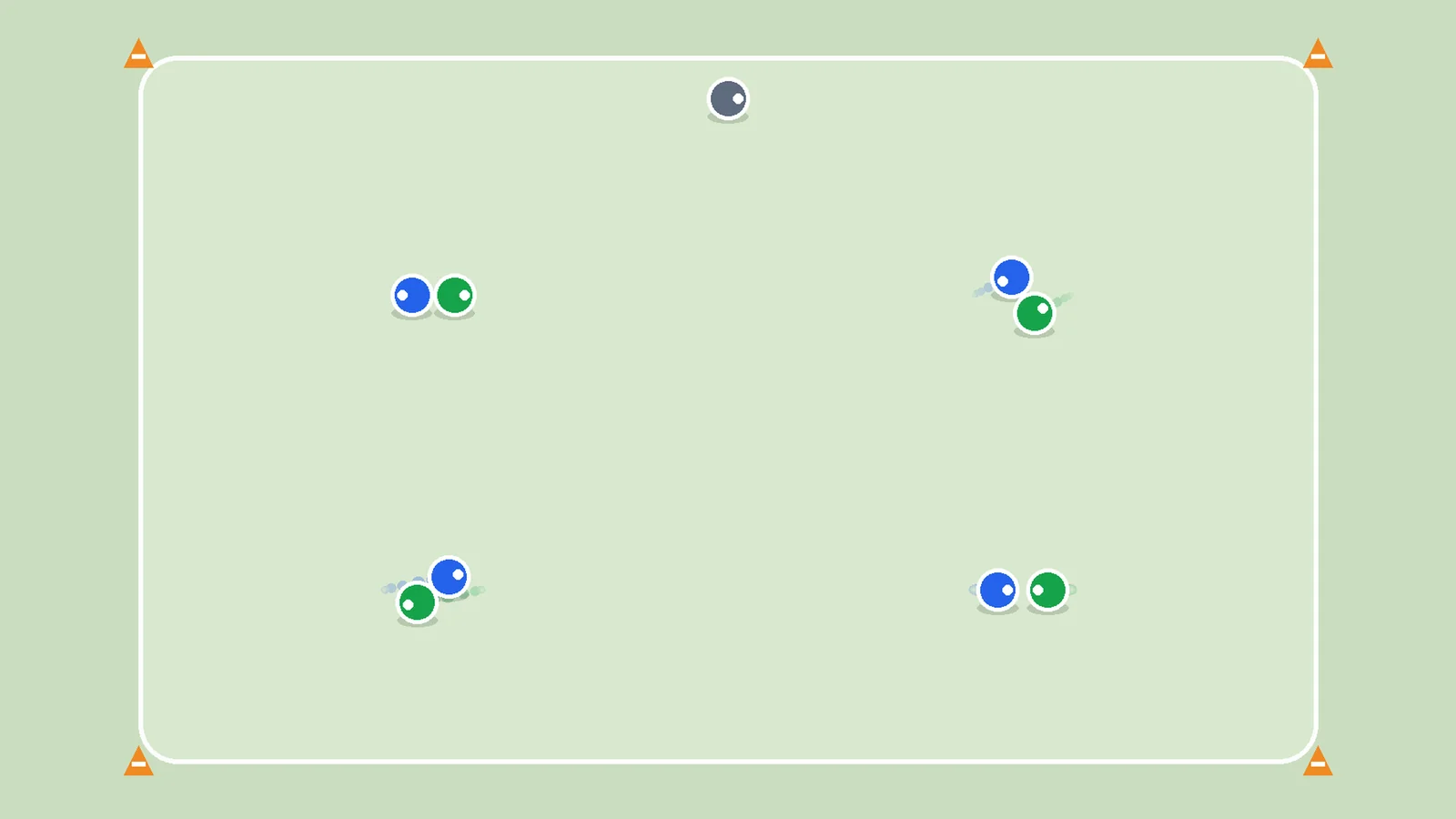 Body Part Pairs
There's hardly a better way to practise body parts. Start with easy ones (hand – hand, knee – knee), then move on to harder pairs like elbow – ear. The pairs laugh a lot at the impossible poses. It involves touching, so play it with a class whose students already know each other, or let them choose their own partners.
How to play
No equipment needed!
- Players form pairs.
- In each pair, one player is number 1 and the other is number 2.
- The game leader calls out two body parts, for example: knee – elbow.
- The pairs' task is to reposition themselves as fast as possible so that the named body parts touch.
3. Grandma's Cake
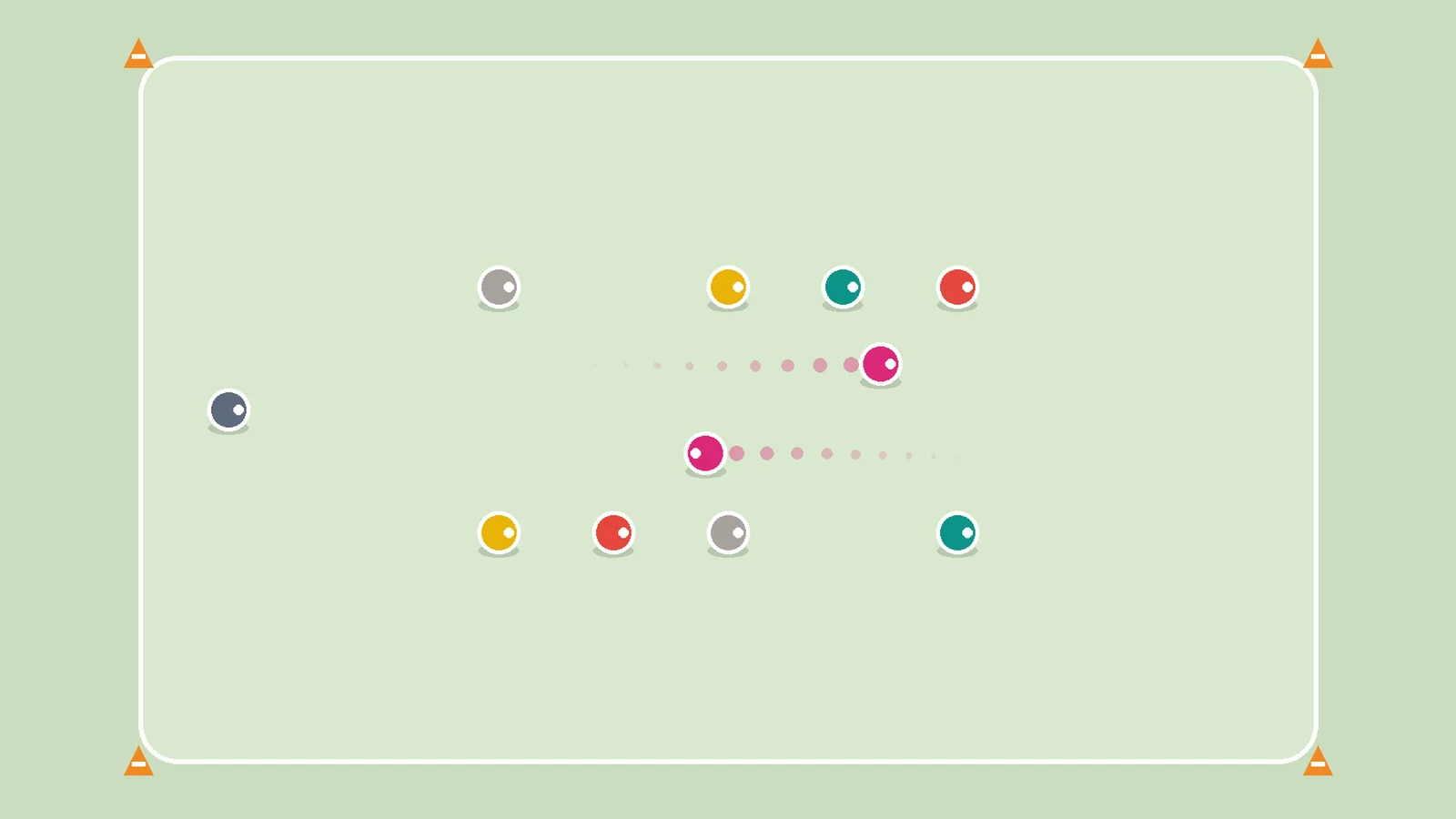 Grandma's Cake
It's listening practice, but the students don't notice. Each of them gets an ingredient, and they have to follow the story closely, because their word could come up at any moment. You make up the story yourself, so you can put in exactly as much new vocabulary as you want. With advanced students, tell it faster and hide the words in longer sentences.
How to play
No equipment needed!
- The players stand in two lines facing each other, about one or two metres apart.
- The game leader hands out the same ingredients in both lines (e.g. flour, sugar, egg, salt, jam), so there are two players for each ingredient, one in each line.
- The game leader starts telling the story of how Grandma baked her cake; whenever an ingredient is mentioned, those two players have to run around their own line and get back to their place.
- Whoever gets back more slowly loses a point (or is out).
4. Translation Corners
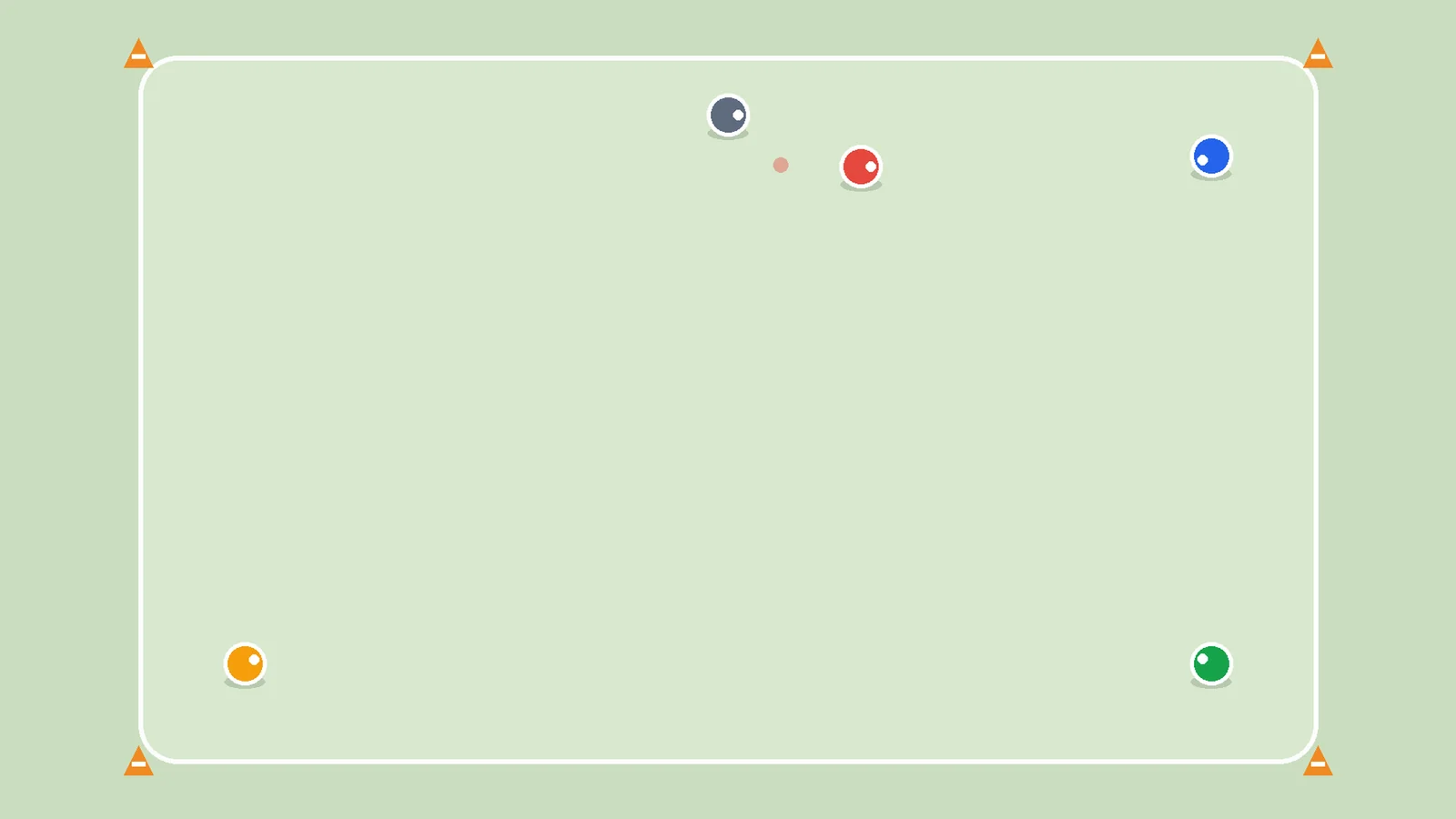 Translation Corners
A fast translation game where the four corners keep everyone moving and give every word something at stake. Four students play at once while the others watch, but that's fine, because they're translating in their heads too. With a big class, put pairs in the corners or swap the players in the middle more often. Build the word list from the current unit.
How to play
Materials: A word list for the game leader (optional)
- Four players stand in the four corners of the room.
- The game leader says a word in the language being learned.
- The first player to say its meaning correctly in their own language can move on to the next corner.
- In the new corner they can knock out the player standing there. The knocked-out player goes into the middle.
- The player in the middle can go out to any corner at any time if they are the fastest.
- The first player to get all the way around the four corners wins.
With more players: the game works in a similar way with more players, and they can also play in pairs.
5. Word Chain
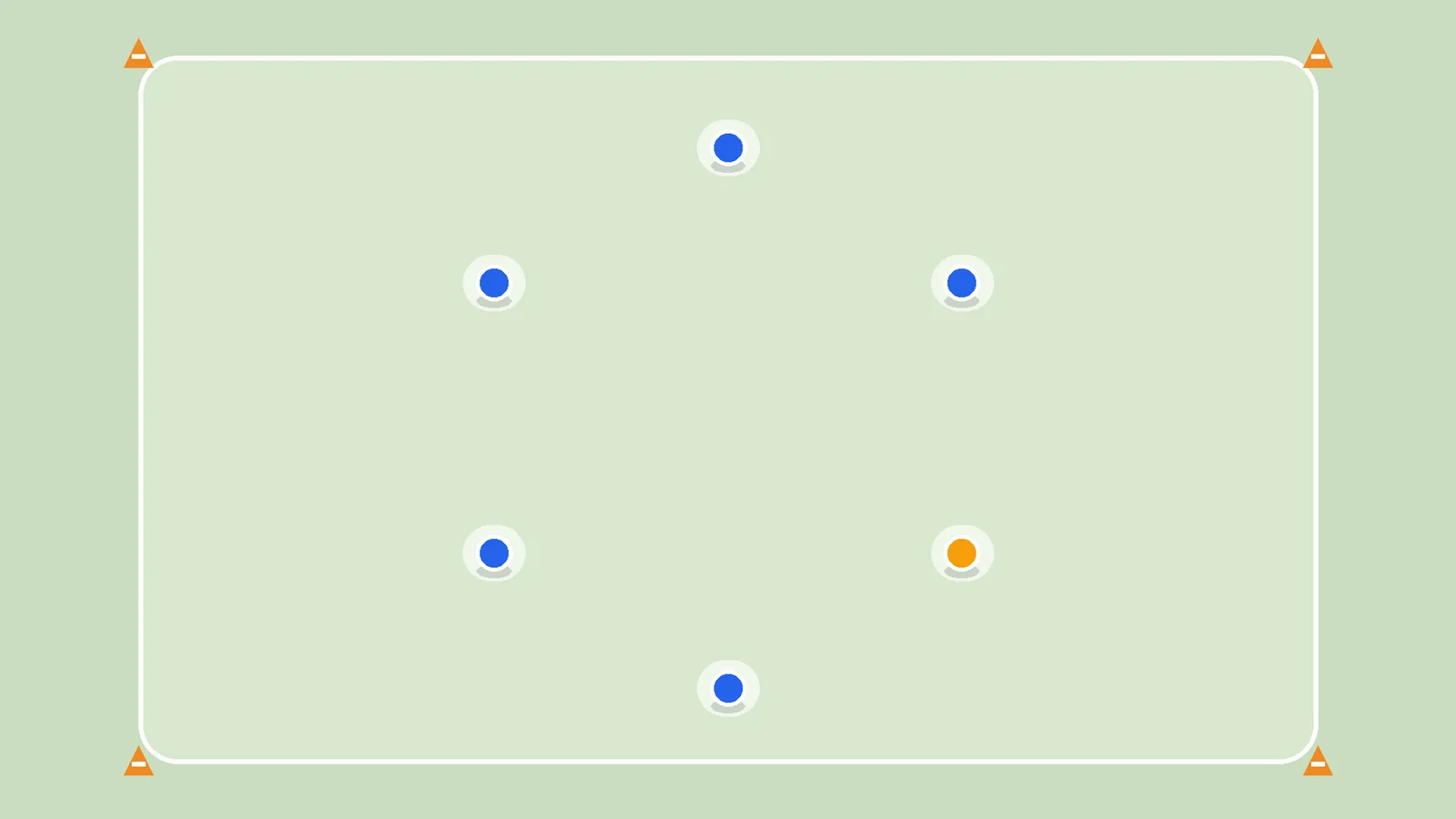 Word Chain
A classic, and it works in class because students have to think, but not too hard. In English, it's spelling practice as well, since they need to know which letter the word ends with. Make it harder with a category (animals, food) or a time limit: five seconds, and anyone who can't come up with a word is out. It's a good warm-up for the start of a lesson while everyone is still waking up.
How to play
No equipment needed!
- The players sit in a circle, and the first player says a word.
- The next player has to say a word that starts with the last letter of the previous word.
To make it harder, the game leader can set a category (e.g. animals, cities, food).
6. Five Seconds
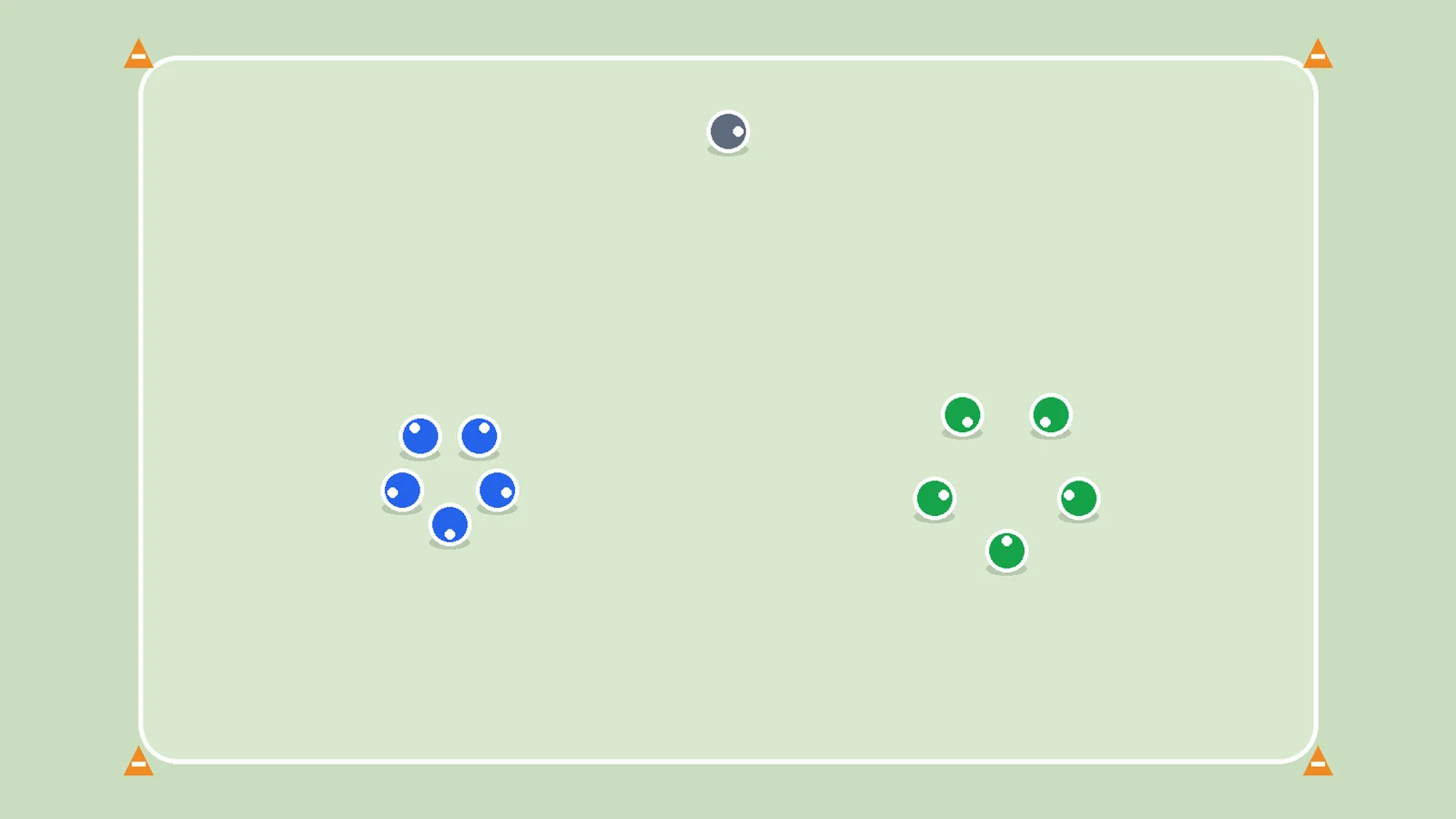 Five Seconds
Short, loud, and students end up blurting words out, which is the whole point. Five words in five seconds in another language isn't easy, so give beginners more time, say ten seconds. Take the topics from the vocabulary you've covered: fruit, jobs, things in the kitchen. Playing in teams means weaker students can join in too, because their teammates help.
How to play
Materials: No materials needed (optionally a list of topics for the game leader)
- The players split into two teams.
- The game leader names a topic (e.g. car brands, colours, Bible characters).
- The team whose turn it is has 5 seconds to name 5 things that fit the topic.
- If they manage, the team gets a point; if not, the other team can try with the same topic.
- The teams take turns; the team with the most points at the end wins.
7. Group 20 Questions
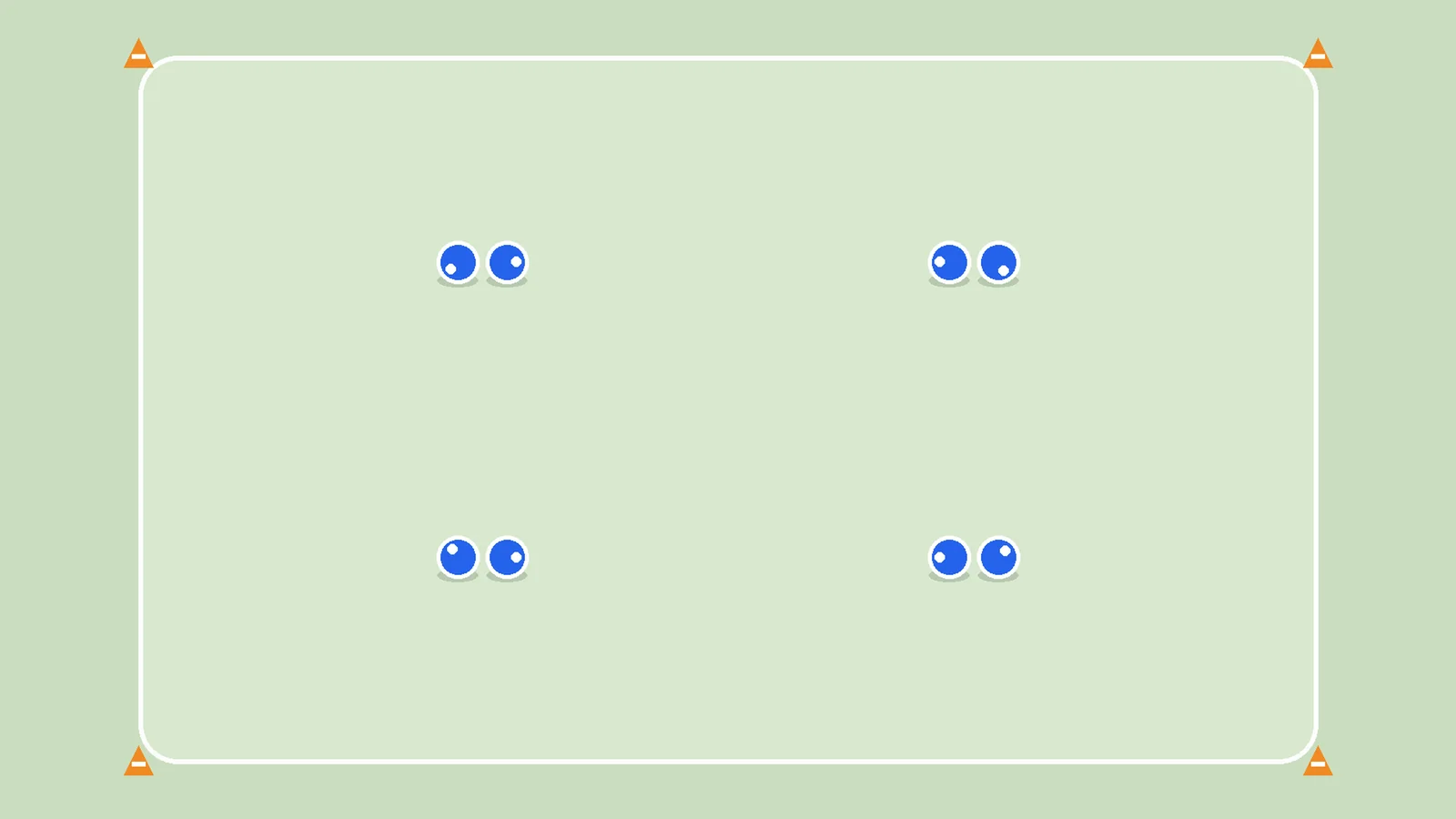 Group 20 Questions
Now students have to ask questions, which is the hardest part for many of them. In return, it's great practice for question forms: "Am I an animal?", "Can I fly?" Write a few question starters on the board so they have something to hold on to. Take the words from the current topic, and the game doubles as revision.
How to play
Materials: A piece of paper with a word for each player
- The game leader places a piece of paper on each player's forehead with a word on it that they have to guess.
- Players ask each other yes-or-no questions, aiming to work out as quickly as possible which word is on their own forehead.
This also works well for splitting players into teams: give players you want in the same team words of the same kind.
8. Fortunately – Unfortunately
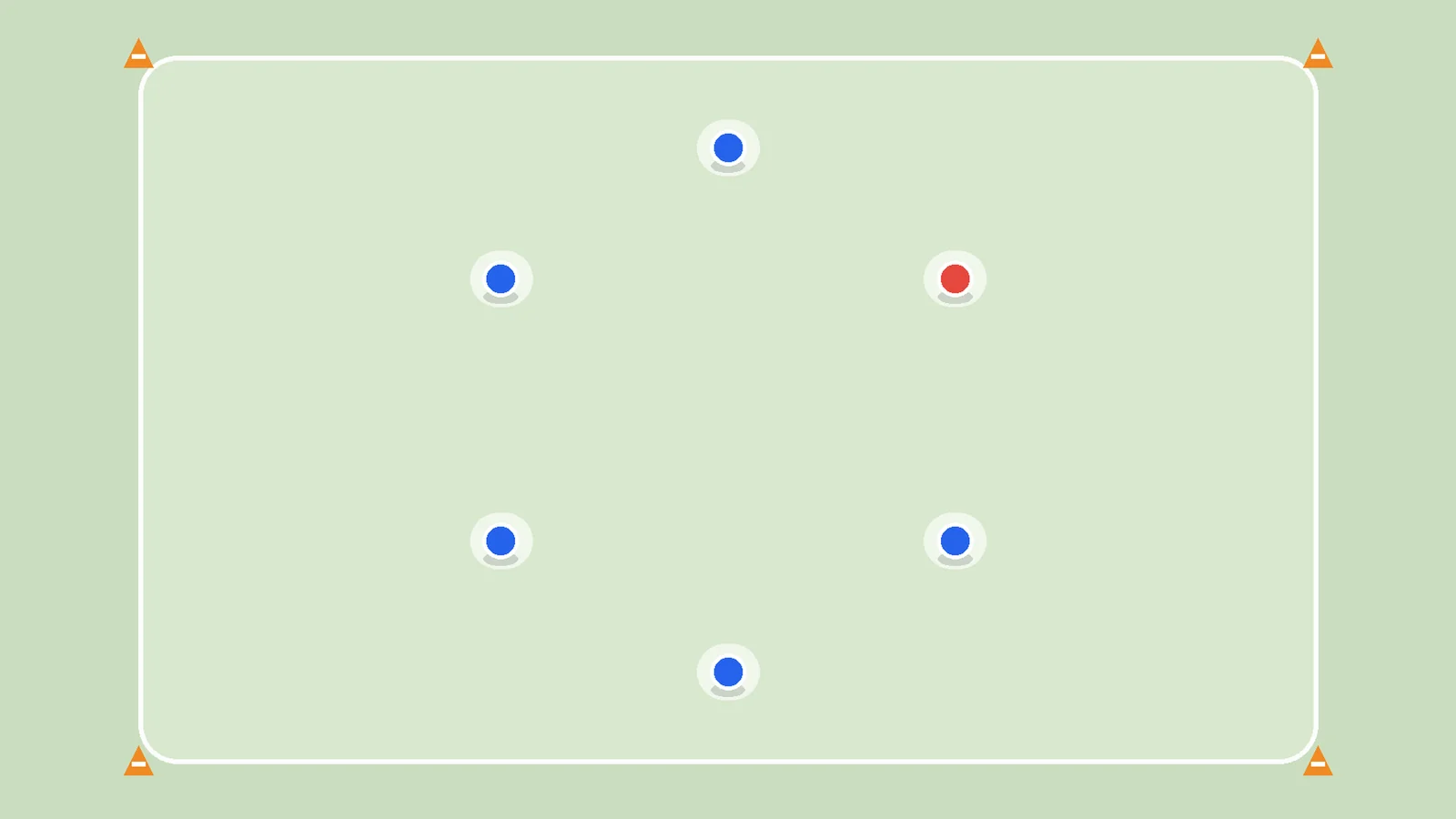 Fortunately – Unfortunately
The hardest game on the list, since students have to come up with full sentences that follow on from the one before. It's great for practising the past tense, because the story slides into it naturally. It works best in small groups, so split a bigger class into circles of four or five. At the end, each group can retell its best story.
How to play
No equipment needed!
- Players take turns saying sentences that start alternately with “Fortunately” and “Unfortunately”.
- The game goes on until the players decide together to stop or start a new round.
For example:
- Fortunately, I got to the train station on time.
- Unfortunately, the train broke down right in front of me.
- Fortunately, I had a screwdriver with me and fixed it.
- Unfortunately, when I got on, the ticket inspector came and fined me.
- Fortunately, I had a piece of chewing gum I could give him as payment.
Tips for language classroom games
- Don't correct every mistake during the game. The game is about confidence. Note down the common mistakes and go over them afterwards.
- Take the words from your syllabus. That way the game isn't lost time, it's revision.
- Keep rounds short. A classroom game works best when you stop before students get tired, so they ask for it next time.