
Name Games for Teenagers: 6 Games That Don't Feel Childish

With young kids, learning names is easy: pass a ball around, everyone says their name and their favourite animal, done. With teenagers it doesn't work. A fifteen-year-old would rather look at their shoes than share their favourite animal with a room full of strangers, and if a game feels childish, half the circle checks out within a minute.
A good name game for teenagers does three things. It's fast, so there's no time to feel awkward. It has a competition or a challenge in it, so the name is just a tool, not the point. And it never puts anyone alone in the middle of the circle, at least not until they choose to go there. Get those right and names stick on their own, because the game makes people use them, not just hear them.
Below are six games. The first ones take hardly any courage; the later ones need quick reactions to names. Two or three are enough for one session, and it's worth bringing one back next time, because names really stick the second time round.
1. Hand Over the Name
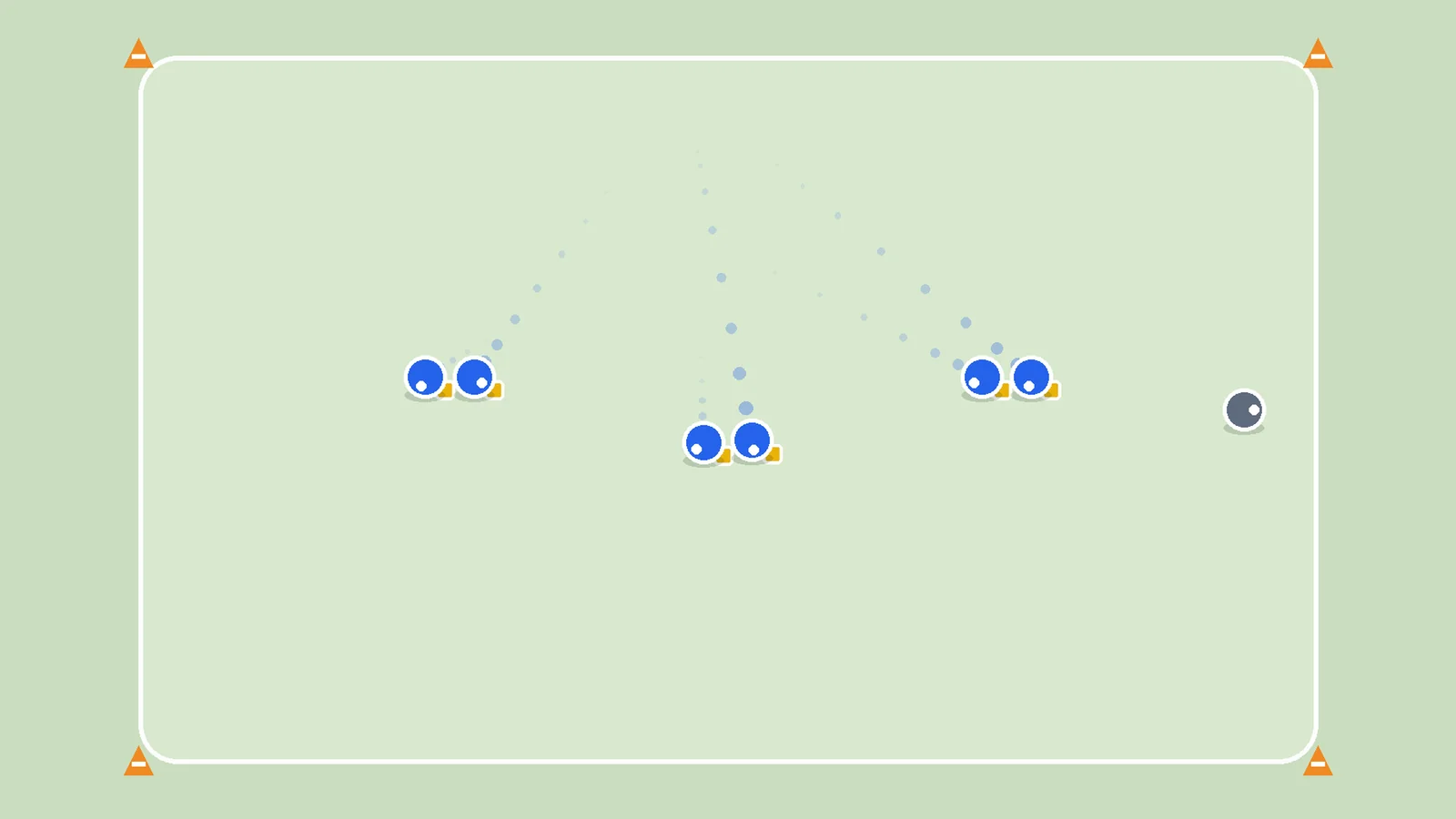 Hand Over the Name
A good opener, because nobody has to say anything in front of the group. Everyone writes their name on a sticky note, and from then on it's a race against the clock as a group. Teenagers quickly realise they have to ask each other who's who, and that's far less awkward than a round of introductions. Time it and have them try to beat it in round two. The second round is always faster, because by then they've learned the names.
How to play
Materials: A sticky note for each player, A pen for each player, A board to stick the notes on, A timer
- At the start of the game, each player writes their name on a sticky note, and the notes are stuck on a central board.
- The players move away from the board.
- The game leader gives the signal to start and starts the stopwatch.
- The players' goal is to take a sticky note off the board as fast as possible and hand it to the player whose name is on it.
IMPORTANT: Players can't take their own name.
- When every player has received their own name, the game leader stops the stopwatch.
2. Let's Shake Hands
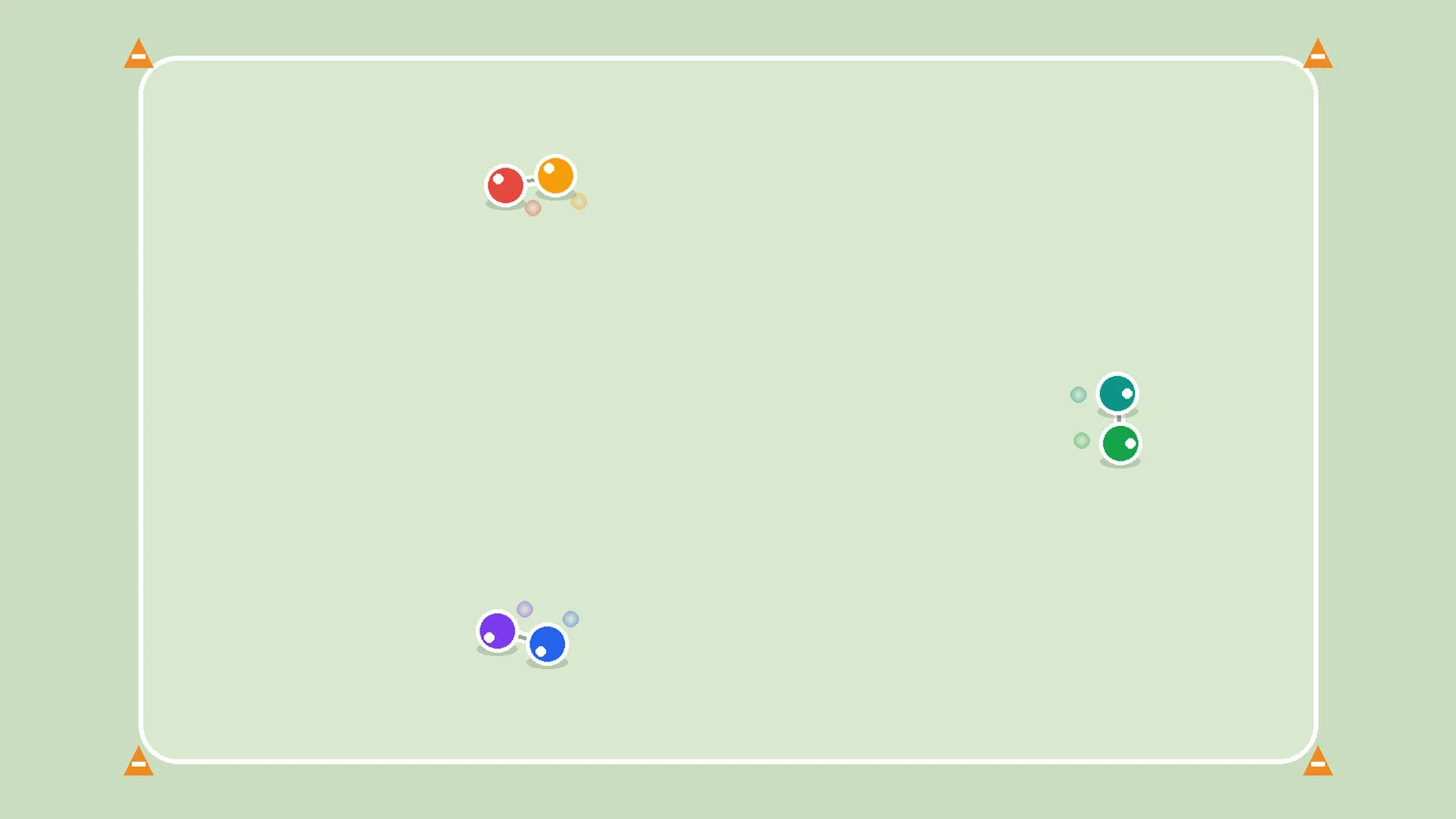 Let's Shake Hands
Simple, but switching hands makes it clumsy enough at the start that everyone laughs, and that loosens the room up. A name gets said at every handshake, and by the time everyone has shaken hands with everyone, they've heard every name at least once. Time this one too. With a bigger group, say half the group is enough, or it takes too long.
How to play
No equipment needed!
- Players move around freely in the space.
- The group's shared task is for everyone to shake hands with everyone else.
- After every handshake, players have to switch hands: right, left, right, left…
- Players say their names as they shake hands, so it also works as a getting-to-know-you game.
- The game leader can time it, and in a second round the group can try to finish faster.
3. Name Trading
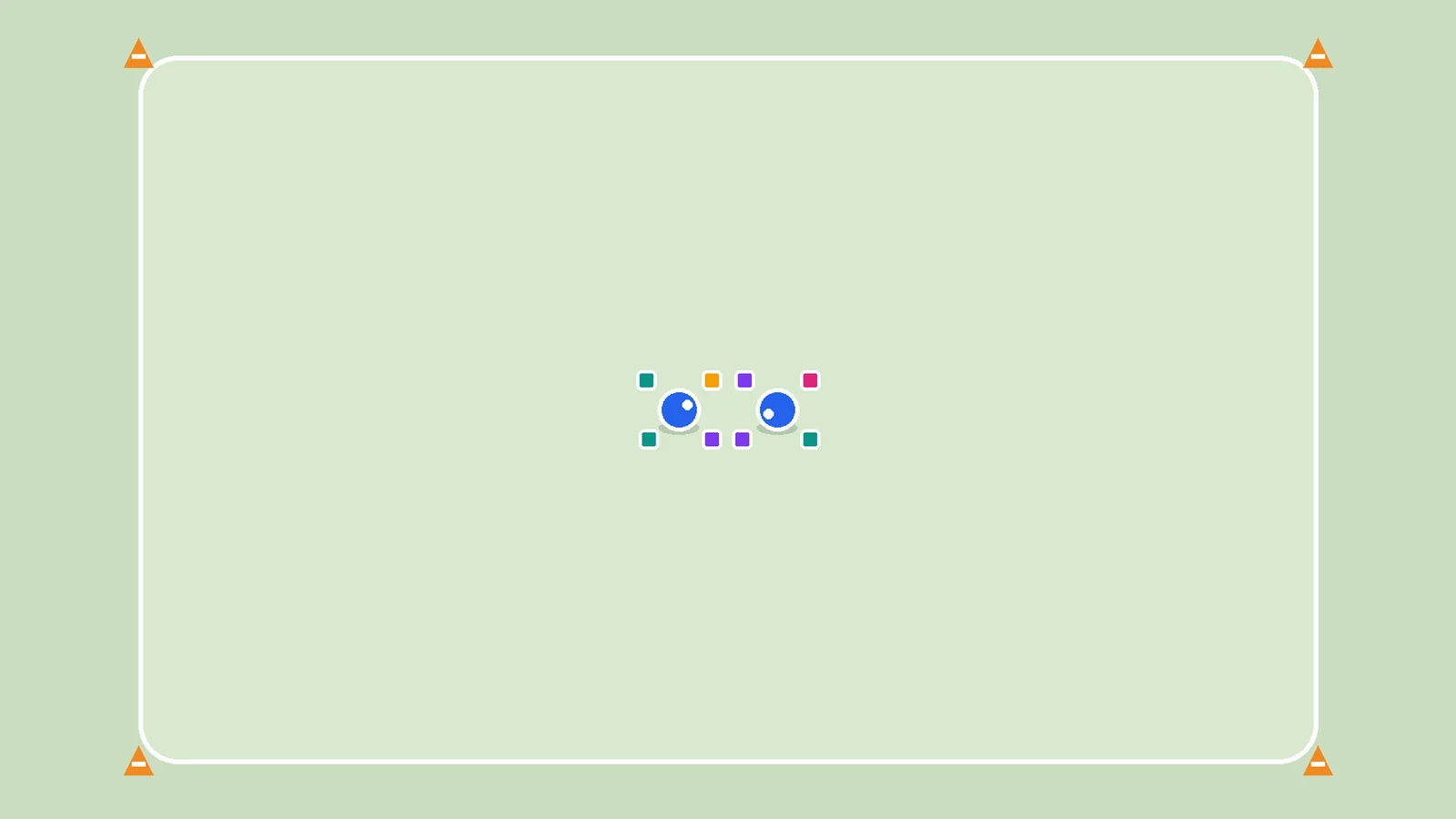 Name Trading
Now people have to hunt for names. It feels a bit like trading cards at break time, which teenagers don't find childish at all, more like dealing. Because the slips have other people's names, everyone has to go up to people they don't know and ask whose name they're holding. It works best in a small group, up to eight or ten people. With more, split into two separate rounds.
How to play
Materials: 5 small pieces of paper for each player, 1 pen for each player
- The game leader gives every player five small pieces of paper, and everyone writes their own name on each one.
- The game leader collects all the papers and hands them out randomly, so that every player has 5 papers.
- The players' goal is to trade with each other and collect five of the same name as quickly as possible.
4. Catch the Stick!
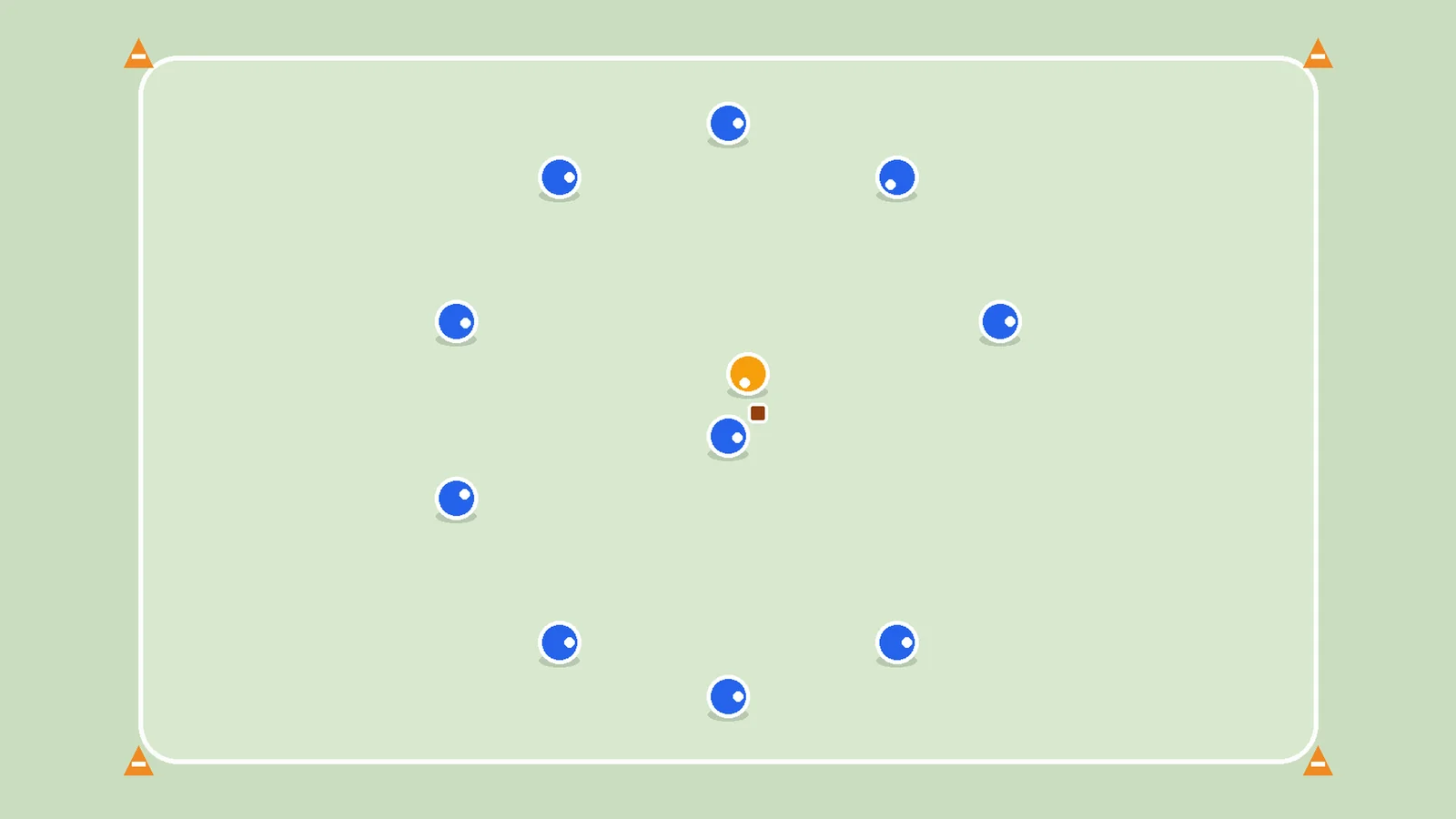 Catch the Stick!
This one needs quick reactions to names, and the stick adds a bit of tension that teenagers like. The player in the middle decides who to call, so the shyer ones aren't put on the spot before they're ready. Start with a big circle so there's time to get there, and only make it smaller later. A cardboard tube is better than a broom handle; it doesn't hurt if someone drops it on their fingers.
How to play
Materials: A longer stick (a broom handle or a cardboard tube)
- The players stand in a big circle; one player in the middle holds the stick upright on the ground.
- The player in the middle calls out another player's name and immediately lets go of the stick.
- The named player has to rush in and catch the stick before it hits the ground.
- If they succeed, they become the player in the middle. If not, they get a penalty point (or are out), and the player in the middle goes again.
5. Paper Swat
 Paper Swat
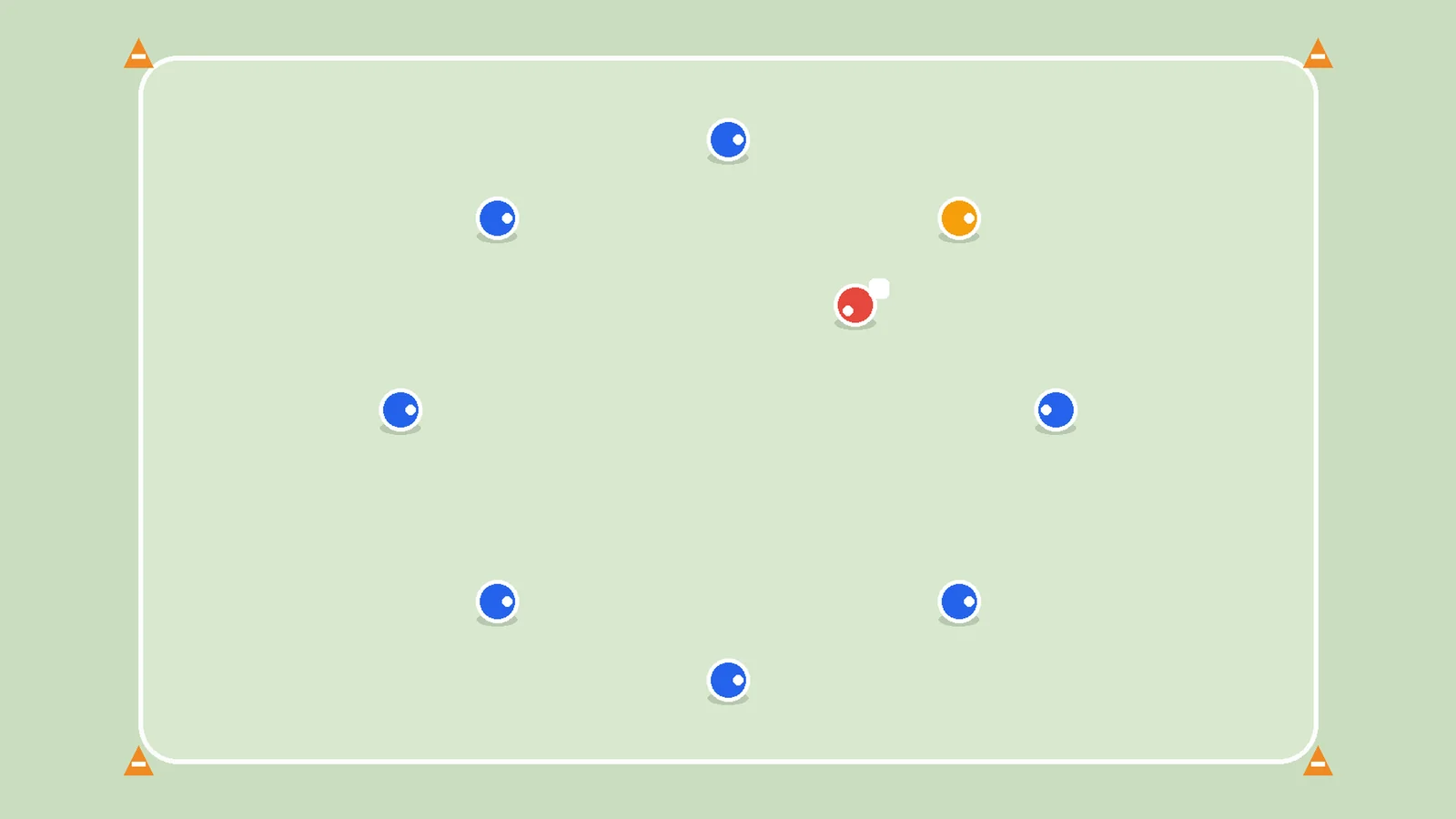
Because of the "swat" with the paper, this is more funny than childish, and teenagers quickly get into shouting names fast. If someone can't think of a name, they just get tapped and go to the middle. That's not a punishment, it's part of the game, and it's exactly what makes them learn the names. Say up front that it's a gentle tap on the head only, and the paper never goes near faces.
How to play
Materials: A sheet of paper (or newspaper) rolled into a cone or tube
- The players stand in a circle, with one player in the middle – the swatter – holding the rolled-up paper.
- The swatter picks someone in the circle (the target) and heads towards them to tap them gently on the head with the paper.
- The target can escape by loudly saying another player's name before the paper touches them.
- The player whose name was said becomes the new target, and the swatter now has to reach them.
- If the swatter tags the target before they say a name, they swap places: the target goes to the middle and becomes the new swatter.
6. When the Curtain Falls
 When the Curtain Falls
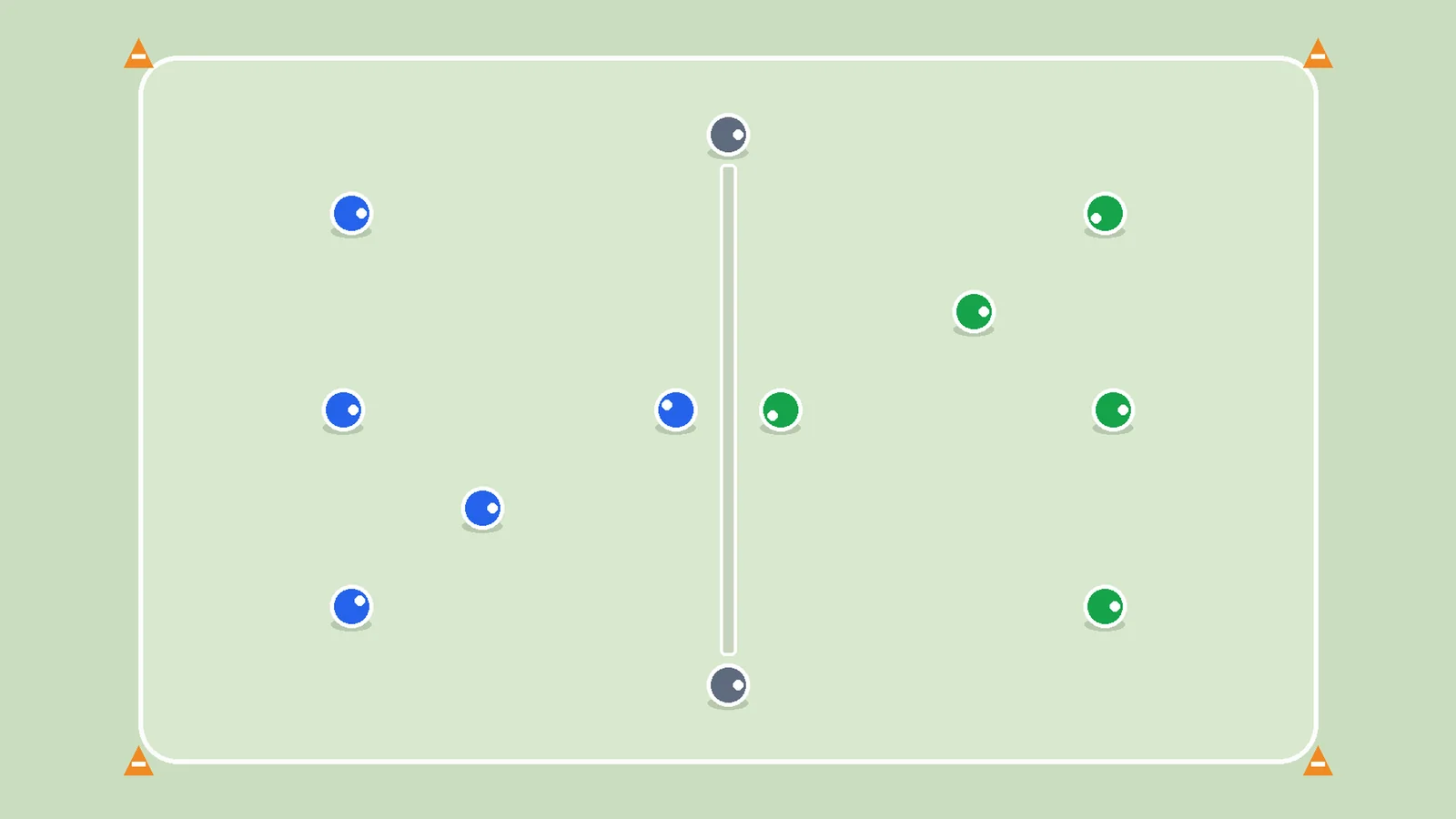
Save this one for the end, when everyone roughly knows the names. Dropping the blanket gives a real moment of tension, and both teams cheer their player on, so nobody is left out. Because the loser moves to the other team, the teams keep mixing, and by the end everyone has heard everyone's name shouted. Ask two helpers to hold the blanket rather than taking them from the players.
How to play
Materials: A large blanket or sheet
- The players split into two teams; two helpers hold a big blanket between them so the teams can't see each other.
- Each team quietly picks one player, who stands or sits right in front of the blanket.
- The helpers drop the blanket at the same time.
- Whoever first says the name of the player opposite correctly wins; the loser moves to the winner's team.
- The game goes on until one team runs out of players or the time is up.
What helps with teenagers
- Don't ask for favourite animals. If you want introductions, ask for something they're happy to share: a place they've been, music they listen to.
- Play along. If the leader writes a sticky note and shakes hands too, the game doesn't feel like a kids' activity.
- Let them get it wrong. If someone forgets a name, laugh about it together and move on. Repetition is what makes names stick.
- Use the names yourself. After the first session, call people by name. They notice, and they start using each other's names more too.